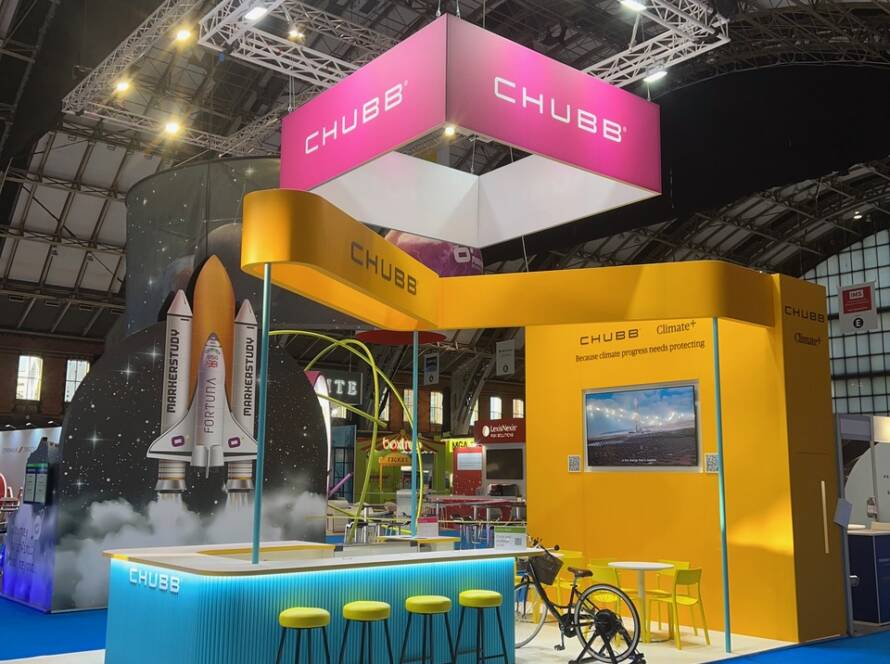
The exhibition landscape is changing quickly. Brands are no longer satisfied with static stands and passive displays. Instead, exhibition stand trends for 2026 are centred on creating immersive exhibition environments designed to attract attention, build meaningful connections, and leave a lasting impression long after the event ends.
Looking ahead, several key ideas are shaping how exhibition spaces are designed and experienced. From multi-sensory booth design to phygital brand experiences, these developments reflect a significant shift towards more interactive, inclusive, and sustainable environments.
1. Moving from Static Booths to Immersive Brand Theatres
One of the most significant exhibition stand trends for 2026 is the transformation of the traditional stand into a brand theatre. Rather than displaying products on shelves or panels, companies are creating immersive environments that tell a story.
These stands are designed to guide visitors through a journey. Lighting, architecture, digital content, and physical interaction combine to create a narrative experience. Instead of simply walking past a booth, visitors step inside a branded environment.
At Limeblue, we approach exhibition design as spatial storytelling. By combining structural design with lighting, graphics, and digital content, we help brands present themselves in a way that feels immersive rather than transactional. In crowded exhibition halls, this shift from passive display to active engagement makes a measurable difference in visitor interaction.
2. Sustainable Exhibition Stand Design is Now Essential
Environmental responsibility is no longer optional in exhibition design. Sustainable exhibition stand design is rapidly becoming an expectation from organisers, exhibitors, and visitors alike.
The events industry has historically generated significant waste through single-use builds and disposable graphics. In response, many brands are now adopting circular design principles that prioritise reuse and longevity.
Modular systems such as BeMatrix aluminium framing are playing a key role in this transition. These frameworks allow stands to be reconfigured for different shows, reducing material waste and transportation impact. Panels, lightboxes, and graphics can be updated while the core structure remains in use for multiple events.
Material selection is equally important. FSC-certified timber, recyclable composites, and water-based inks are increasingly used to reduce environmental impact. Energy-efficient LED lighting has also become the standard for exhibition environments, offering strong visual impact with lower power consumption.
Digital alternatives are also replacing traditional print materials. QR codes linked to digital brochures allow visitors to access product information without the need for large quantities of printed leaflets.
For brands that want to demonstrate environmental leadership, sustainable exhibition stand design is now an essential part of their event strategy.
3. Phygital Brand Experiences
Another major development among exhibition stand trends for 2026 is the rise of phygital brand experiences. The term “phygital” refers to the integration of physical environments with digital interaction.
In practice, this means blending architecture with technologies such as augmented reality, virtual reality, and artificial intelligence. Instead of choosing between physical displays and digital content, brands are combining both to create seamless experiences.
For example, visitors might pick up a physical token or scan an object within the stand that triggers a 3D product animation on a nearby screen. Augmented reality (AR) overlays can allow visitors to explore products in different configurations. Virtual environments and VR can showcase machinery or environments that are too large to bring onto the exhibition floor.
Artificial intelligence (AI) adds another layer of interactivity. Smart systems can personalise content based on visitor interests or behaviour, creating a tailored experience for each attendee.
Phygital brand experiences are particularly powerful because they combine the tactile engagement of physical design with the flexibility and data capabilities of digital technology.
4. Multi-Sensory Booth Design
Visual design has always been important in exhibitions, but one of the most exciting exhibition stand trends for 2026 involves engaging multiple senses.
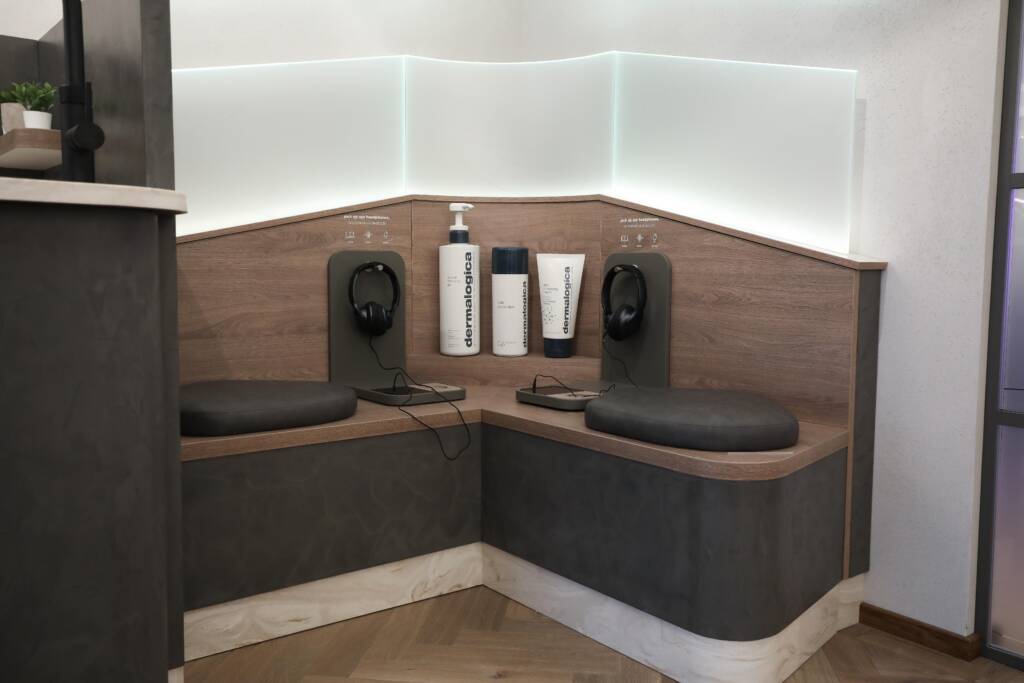
Multi-sensory booth design goes beyond visuals to incorporate sound, scent, and touch. These elements can significantly increase visitor engagement and dwell time.
Directional sound technology allows audio content to be delivered to a specific area without disturbing neighbouring stands. This can create immersive storytelling zones within a booth.
Scent marketing is also gaining traction. Carefully chosen fragrances can evoke emotion, reinforce brand identity, and create memorable associations. Retail brands in particular are beginning to apply the same sensory principles used in flagship stores to their exhibition stands.
Tactile materials also play an important role. Textured wall finishes, natural surfaces, and interactive displays encourage visitors to physically engage with the space. The result is an environment that feels more like an experience than a display.
5. Inclusive and Accessible Design
Accessibility is becoming a major priority for event organisers and exhibitors. Inclusive design ensures that exhibition environments can be experienced comfortably by all visitors.
In 2026, inclusive and accessible design is expected to become a defining standard across the industry. Exhibition stands are increasingly being designed with universal accessibility in mind.
This includes features such as multi-height counters that accommodate both standing visitors and wheelchair users. Open floor plans allow easier movement through the stand, while clear sightlines help visitors navigate the space.
Interactive displays are also being designed with accessibility in mind. Touchscreens placed at varying heights, audio descriptions, and intuitive navigation systems help ensure that digital content can be accessed by a wider audience.
Beyond compliance, inclusive design reflects a broader shift in how brands approach customer experience. A well-designed stand should welcome everyone who visits it.
6. Biophilic Design and Natural Elements
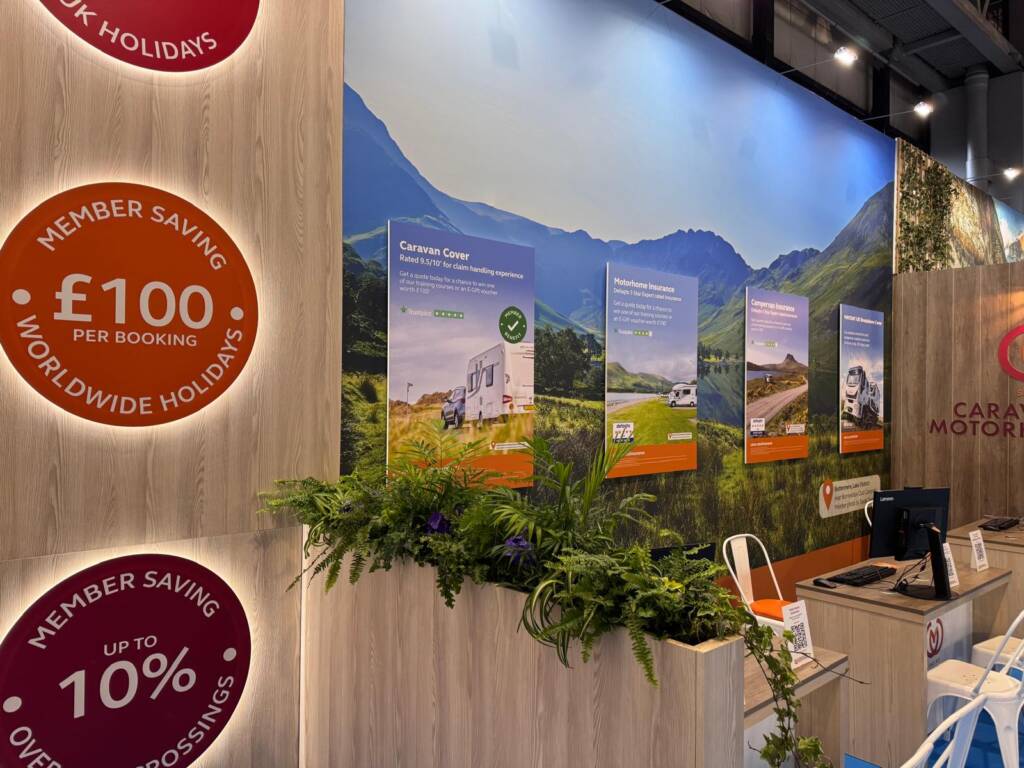
Another of the most visible exhibition stand trends for 2026 is the use of biophilic design. This approach incorporates natural elements such as plants, wood textures, and organic forms into built environments.
Research consistently shows that natural elements reduce stress and improve wellbeing. In the busy environment of a trade show, biophilic design can create a sense of calm that encourages visitors to stay longer.
Living walls, planted installations, and natural materials are becoming common features in exhibition stands. Even subtle references to nature through colours, lighting, and patterns can help create a more inviting atmosphere.
For brands that want to communicate sustainability or innovation, biophilic design offers both aesthetic and psychological benefits.
7. Designing for Dwell Time and Social Sharing
Trade shows are no longer limited to the physical event space. Visitors constantly share experiences online, making social media an important part of exhibition visibility.
One of the more playful exhibition stand trends for 2026 is the emergence of “selfie architecture”. These are design features specifically created for photography and social sharing. Large sculptural elements, striking lighting installations, and interactive backdrops encourage visitors to take photos and post them online. When designed well, these moments extend the reach of the stand far beyond the exhibition hall.
At the same time, brands are recognising the importance of creating environments where visitors want to spend more time. Trade shows can be intense environments, with attendees walking through crowded halls, attending meetings, and absorbing large amounts of information.
As a result, many companies are incorporating lounge-style hospitality areas within their stands. These spaces provide comfortable seating, refreshments, and quieter zones for conversation. Wellness elements such as soft lighting, natural materials, and acoustic control can transform a busy stand into a welcoming retreat.
When visitors feel relaxed and engaged, they are more likely to stay longer, interact with the brand, and share their experience with others both at the event and online.
Designing the Future of Exhibition Experiences
Exhibitions remain one of the most powerful ways for brands to connect with customers. However, expectations are changing rapidly. Visitors want engaging experiences, meaningful interaction, and environments that reflect modern values such as sustainability and inclusivity.
At Limeblue, we help brands translate these emerging ideas into impactful physical environments. Combining strategic thinking with creative design and expert production, we create exhibition spaces that do more than attract attention; they create lasting connections.
If you are planning your next exhibition presence and want to explore how these exhibition stand trends for 2026 could shape your stand, contact us today to find out how we can help you stand out from the crowd.
Frequently Asked Questions
Q: What are the biggest exhibition stand design trends for 2026?
A: The biggest exhibition stand trends for 2026 include immersive brand theatres, sustainability, inclusivity, and phygital brand experiences that combine physical spaces with digital interaction. Biophilic design, inclusive layouts, and social media friendly features designed for sharing are also becoming common across major trade shows.
Q: How can I make my trade show booth more sustainable in 2026?
A: Sustainable exhibition stand design focuses on reusable modular systems, recyclable materials, and energy-efficient lighting. Many brands are also reducing printed materials by using QR codes and digital brochures to share product information.
Q: How is AI being used in trade show booth engagement?
A: AI is increasingly used to personalise visitor experiences at trade shows. It can support real-time lead scoring, personalised content displays, and data-driven heatmaps that track visitor flow and engagement across the stand.
Q: What is ‘phygital’ exhibition design?
A: Phygital exhibition design blends physical environments with digital interaction to create seamless brand experiences. For example, scanning a product or object within the stand can trigger augmented reality content, 3D animations, or personalised information on nearby screens.
Q: How do I increase dwell time at my exhibition stand?
A: Increasing dwell time involves creating an environment visitors want to spend time in. Multi-sensory booth design, interactive displays, and comfortable lounge-style areas encourage visitors to stay longer and engage more deeply with your brand.