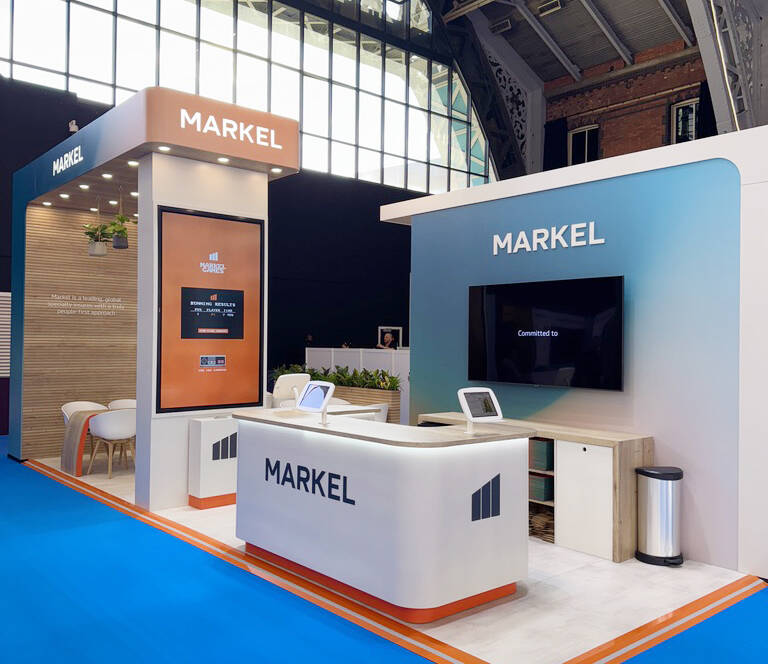
Exhibitions remain one of the most powerful ways for organisations to showcase products, connect with decision makers and build brand awareness. However, strong results rarely happen by chance. A successful stand is the outcome of careful planning, strategic design, and thoughtful execution.
This guide outlines a practical exhibition stand planning timeline and highlights the critical elements that transform an exhibition presence from simply functional into genuinely memorable.
Why a Strategic Planning Process Matters
Trade shows create a rare opportunity for face to face interaction in a highly targeted environment. Visitors are actively seeking solutions, comparing suppliers, and exploring new ideas. This means the quality of your stand environment, messaging, and team engagement can strongly influence perception of your brand.
A structured approach to planning ensures that the trade stand supports clear commercial objectives. It also helps avoid the common challenges that exhibitors experience when key decisions are left too late. Technical deadlines can be missed, marketing campaigns may not align with the event, and staff can arrive on the stand without clear guidance on how to engage visitors.
Developing a realistic exhibition stand planning timeline allows each stage to receive the attention it deserves. It gives designers time to explore creative concepts, ensures compliance with venue requirements, and provides space for teams to prepare meaningful visitor engagement strategies.

A 9-Point Exhibition Stand Planning Timeline
While smaller modular stands can sometimes be organised more quickly, most bespoke builds benefit from six to twelve months of preparation. This timeframe allows the stand to evolve from an initial idea into a fully realised brand environment.
1. Twelve Months Before the Event: Define Objectives
The earliest stage of planning should focus on strategic thinking rather than design details. Organisations need to understand why they are exhibiting and what success will look like.
Some companies attend trade shows primarily to generate new leads, while others focus on product launches, partnership development, or strengthening relationships with existing customers. Each of these goals requires a different approach to messaging and stand layout.
Establishing these objectives at the outset forms the foundation of your exhibition stand planning timeline and guides every decision that follows.
2. Nine to Ten Months Before: Develop the Stand Brief
Once objectives are clear, the next step is translating them into a detailed brief that a design agency can interpret creatively. A well structured exhibition stand design brief template ensures that the agency understands both the practical requirements and the brand story behind the project.
The brief should describe your organisation’s goals for the exhibition, outline the target audience, and provide insight into your company’s visual identity. It should also highlight any technical requirements such as power supply, data connectivity, or audio visual displays. Equally important is providing information about budget expectations and logistical considerations.
A collaborative briefing process often produces the strongest outcomes. At Limeblue we frequently run early workshops with clients to explore brand messaging and visitor journeys, ensuring the final design concept supports meaningful engagement rather than simply visual appeal.
3. Six to Eight Months Before: Design Development and Space Decisions
This stage marks the beginning of the creative process. Designers develop spatial layouts, visual concepts and initial 3D renderings that illustrate how the stand might look within the exhibition hall.
One important decision during this phase involves the comparison between shell scheme vs. space only stands. Shell scheme spaces are provided with basic walls, lighting, and flooring by the event organiser. They are generally more cost effective and faster to install but offer limited flexibility.
Space only areas, by contrast, provide a blank floor area where exhibitors can create a fully bespoke structure. This allows for more ambitious architectural forms, integrated technology, and immersive brand environments.
For organisations seeking maximum visual impact and differentiation, space only builds often offer the greatest potential. However, even shell scheme spaces can be enhanced through carefully designed graphics, lighting, and display solutions.
4. Four to Six Months Before: Technical Planning and Compliance
Once the design concept is approved, the focus shifts towards technical delivery. This stage involves preparing the documentation associated with exhibition stand logistics & RAMS.
RAMS refers to Risk Assessment Method Statements, which outline how the stand will be constructed safely and in accordance with venue regulations. These documents are typically required by exhibition organisers and may involve structural calculations, material specifications and build procedures.
Site surveys are also important during this stage. They help designers understand the physical environment of the venue, including access routes, ceiling heights, and available rigging points. This technical preparation ensures the stand can be installed efficiently and safely during the build period.
5. Three Months Before: Plan Your Lead Capture Approach
Generating meaningful leads is one of the primary reasons companies exhibit. Without a clear system for recording visitor information, valuable opportunities can easily be lost.
Developing a thoughtful trade show lead capture strategy helps ensure that conversations on the stand translate into measurable business outcomes. Digital lead capture systems have become increasingly popular because they allow visitor data to be captured quickly and transferred directly into CRM platforms. Tablet-based forms and interactive demonstrations can also be used to collect contact details.
Some organisations still rely on manual data entry methods, particularly when the event does not provide digital scanning tools. Regardless of the technology used, the key is ensuring that the process is consistent and easy for staff to follow during busy periods.
6. Two Months Before: Pre Event Marketing
Relying solely on spontaneous footfall can limit the effectiveness of an exhibition presence. Many successful exhibitors actively promote their attendance in advance, inviting clients and prospects to visit the stand.
This may involve targeted email campaigns, announcements on social media, or scheduling meetings ahead of the event. Aligning these activities with the broader exhibition stand planning timeline ensures that marketing communications highlight the stand experience and encourage meaningful conversations during the show.
7. One Month Before: Exhibition Staff Training & Briefing
People are one of the most influential elements of any exhibition stand. Even the most visually striking environment cannot compensate for staff who appear disengaged or unprepared.
Comprehensive exhibition staff training & briefing helps teams feel confident about approaching visitors and communicating the company’s value proposition. Training sessions often focus on booth etiquette, lead qualification techniques, and the practical use of lead capture systems.
When staff understand both the objectives of the exhibition and the visitor experience designed around the stand, conversations tend to feel more natural and productive.
8. Event Week: Installation and Engagement
When build days arrive, preparation pays off. The stand structure is installed, graphics are mounted, and lighting and technology systems are tested.
Careful planning around exhibition stand logistics & RAMS ensures that installation teams can work efficiently while meeting safety regulations. Once the exhibition opens, attention turns to visitor engagement, demonstrations, and meaningful conversations with potential clients.
9. After the Event: Breakdown and Follow Up
The exhibition may last only a few days, but its impact depends heavily on what happens afterwards. Stands must be dismantled safely and transported or stored for future use, but the most important task is following up with leads.
Responding quickly to enquiries and continuing conversations with qualified prospects helps transform exhibition interactions into long term business relationships.
How to Measure Performance and Calculate Exhibition ROI
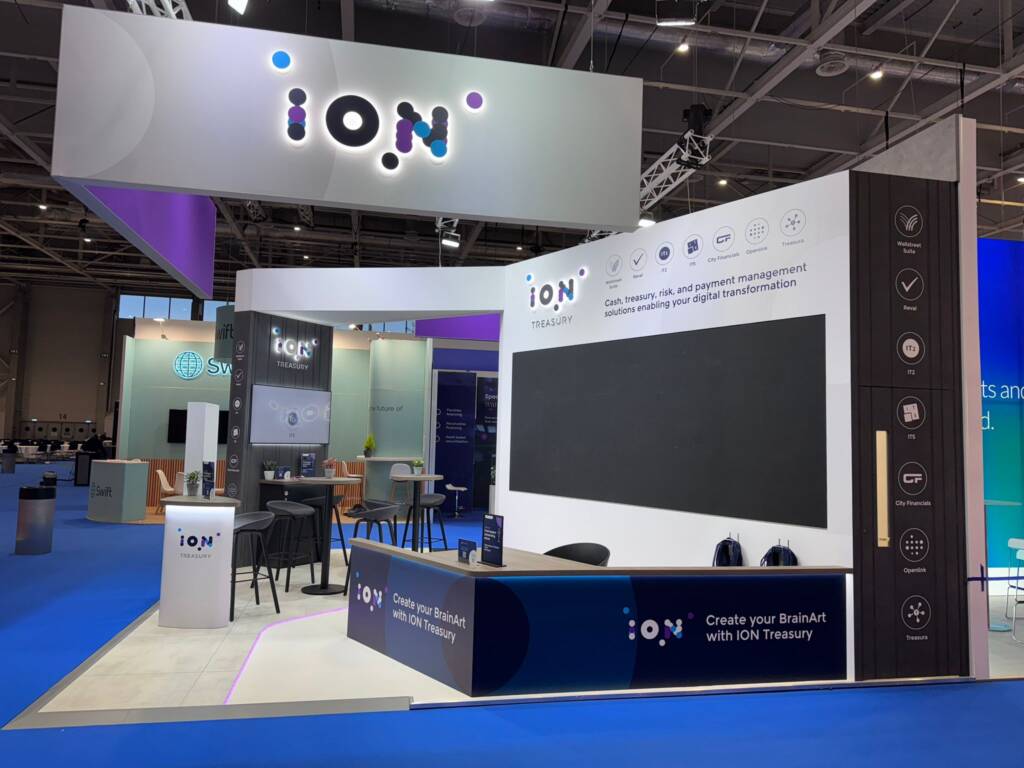
Many organisations struggle to evaluate the true value of exhibitions. Learning how to calculate exhibition ROI (Return on Investment) allows marketing teams to understand whether the investment delivered meaningful results.
- Quantitative metrics such as the number of qualified leads, conversion rates, and Cost Per Lead provide a clear numerical perspective. Some companies also track Return on Opportunity, which considers the potential value of deals generated through exhibition conversations.
- Qualitative outcomes should also be considered. Exhibitions often generate brand awareness, provide opportunities for competitor research, and allow organisations to gather valuable feedback from customers. When these factors are combined with sales data, a more complete picture of exhibition performance emerges.
Creating Exhibition Spaces That Inspire
Successful exhibitions combine creativity, strategy and meticulous planning. When each stage of the exhibition stand planning timeline is managed carefully, the result is a space that not only attracts attention but also supports meaningful business conversations.
At Limeblue, our role is to guide clients through every step of the planning journey. By combining thoughtful design with practical project management, we help brands transform exhibition spaces into engaging environments that support measurable results and allow organisations to confidently calculate exhibition ROI.
If you are planning an upcoming exhibition and want to explore how a bespoke stand could elevate your presence, our team would be delighted to help bring your vision to life. Get in touch with us today to find out more.
Frequently Asked Questions About Exhibition Stand Planning
Q: How far in advance should I start planning an exhibition stand?
A: Most exhibitors benefit from beginning their exhibition stand planning timeline between six and twelve months before the event. This allows time for strategic planning, stand design development, technical documentation and marketing preparation. Larger bespoke builds with integrated technology often require the full twelve month period.
Q: What should be included in an exhibition stand brief?
A: A well prepared exhibition stand design brief template should describe the goals of exhibiting, the target audience and the brand personality that the stand needs to communicate. It should also include technical requirements such as lighting, power supply and connectivity, alongside information about budget expectations and logistical considerations.
Q: How do I measure the success of my exhibition stand?
A: To calculate exhibition ROI, organisations typically track both quantitative and qualitative metrics. Quantitative measures include the number of leads generated, conversion rates and Cost Per Lead. Qualitative insights might include brand visibility, competitor research and feedback gathered from visitors during the event.
Q: What are the most common exhibition planning mistakes?
A: One of the most frequent challenges is starting the exhibition stand planning timeline too late, which restricts design possibilities and increases stress during installation. Other common mistakes include incomplete exhibition stand logistics & RAMS documentation, weak trade show lead capture strategy processes and insufficient exhibition staff training & briefing for the team working on the stand.
Q: How much does a bespoke exhibition stand cost?
A: The cost of a bespoke exhibition stand varies widely depending on its size, complexity and the services required. A simple custom structure may cost several thousand pounds, while larger immersive environments with integrated technology can require significantly higher investment. Factors such as design development, transport, installation and storage all influence the final budget.