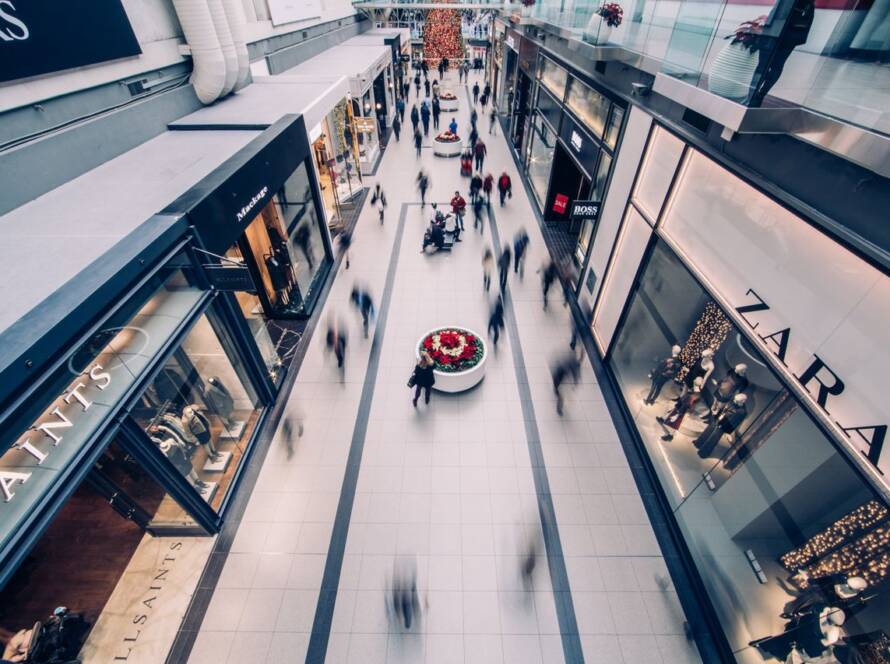
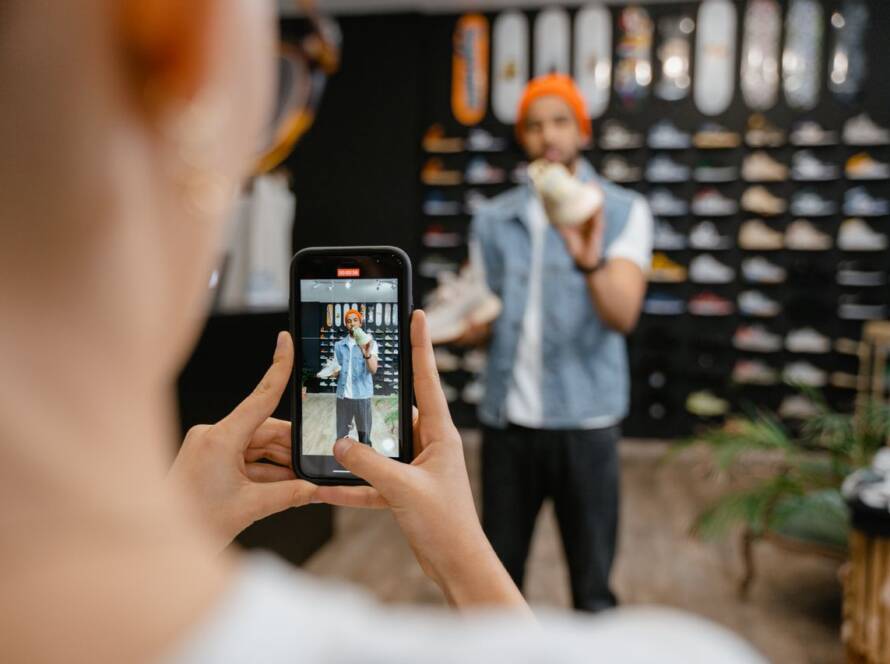
The modern high street is more competitive than ever. Customers move seamlessly between online and in-store shopping, expecting retail environments that feel engaging, intuitive, and aligned with contemporary brand values. When a store begins to look dated or no longer supports modern shopping habits, performance often suffers long before retailers recognise the cause.
At Limeblue, we’ve seen how a strategically planned retail store refurbishment can transform customer perception, increase dwell time and drive higher average transaction values. Far more than a cosmetic update, the right refurbishment helps retailers stay relevant, improve operational efficiency, and create memorable customer experiences that encourage repeat visits and stronger sales.
The Problem: Brand Fatigue on the Modern High Street
Retailers today face challenges that extend far beyond competition from neighbouring stores. Consumers are constantly exposed to evolving design trends, new retail concepts, and sophisticated customer experiences. As a result, even successful brands can suffer from “brand fatigue” when their physical environment no longer reflects customer expectations.
A well-planned high street brand refresh helps retailers remain competitive by modernising the customer experience and strengthening brand perception. While products and services remain essential, the physical environment increasingly influences whether customers stay, browse, and ultimately buy.
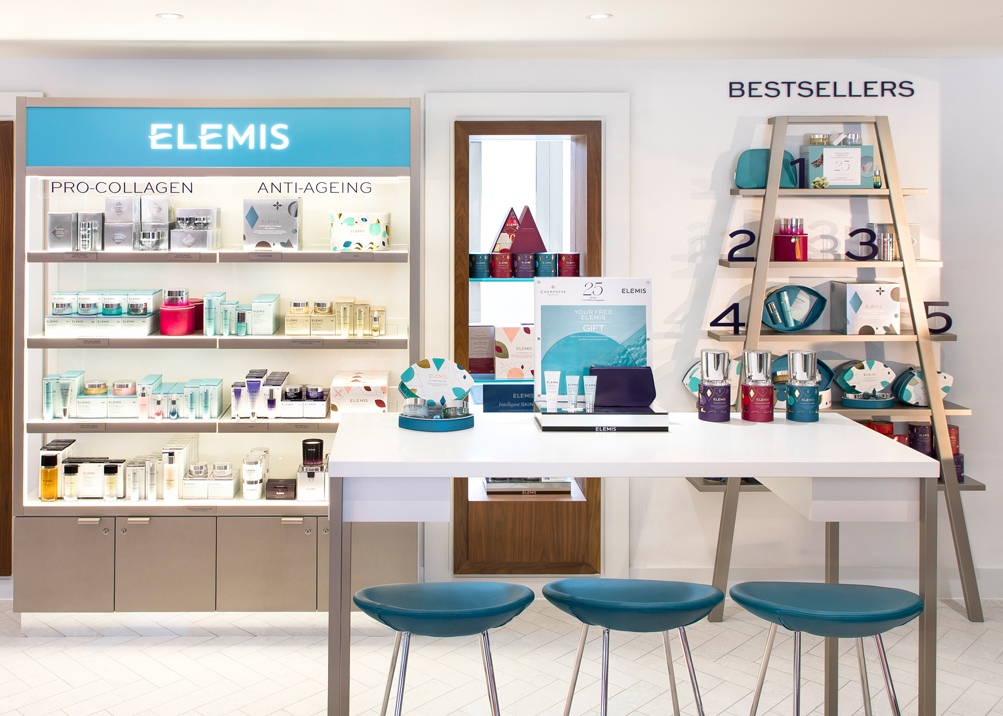
5 Signs You Need a High Street Brand Refresh
1. Declining Dwell Time: Customers Are Leaving Too Quickly
One of the clearest signs that a retail store refurbishment is overdue is declining dwell time.
When customers enter a store and leave within minutes, the issue is often linked to layout rather than product range. Poor circulation routes, cluttered merchandising, and confusing navigation can discourage exploration and reduce opportunities for purchase.
Experienced retail interior specialists understand how customers naturally move through a space and plan refurbishments accordingly. Strategic floor plans use decompression zones, power walls, and clear sightlines to create intuitive journeys that encourage browsing and increase exposure to products.
This can encourage customers to spend longer in-store, which increases the likelihood of additional purchases.
2. Outdated Lighting: Your Lighting Makes Products Look Flat
Lighting is one of the most powerful yet overlooked tools when undertaking a high street brand refresh.
Many older stores continue to rely on uniform overhead lighting that illuminates products and provides visibility but fails to create atmosphere or visual hierarchy. This often results in an environment that feels flat, dated, and visually forgettable.
On the other hand, layered lighting strategies create contrast, improve product visibility and support customer decision-making. Research consistently shows that lighting affects retail impressions, product perception, and overall customer behaviour.
Effective retail lighting combines several layers:
- Ambient lighting that establishes overall comfort
- Accent lighting that highlights featured products
- Decorative lighting that supports brand identity
- Task lighting that improves operational functionality
Lux levels also play a crucial role. Contrasts between brighter focal points and softer surrounding areas naturally draw attention towards key merchandise. Warm colour temperatures can create a premium feel, while cooler lighting may suit technology-focused environments.
The goal is not simply brightness. The goal is directing customer attention.
As experienced retail interior specialists, we frequently find that lighting upgrades deliver some of the most immediate improvements in perceived value and customer engagement.
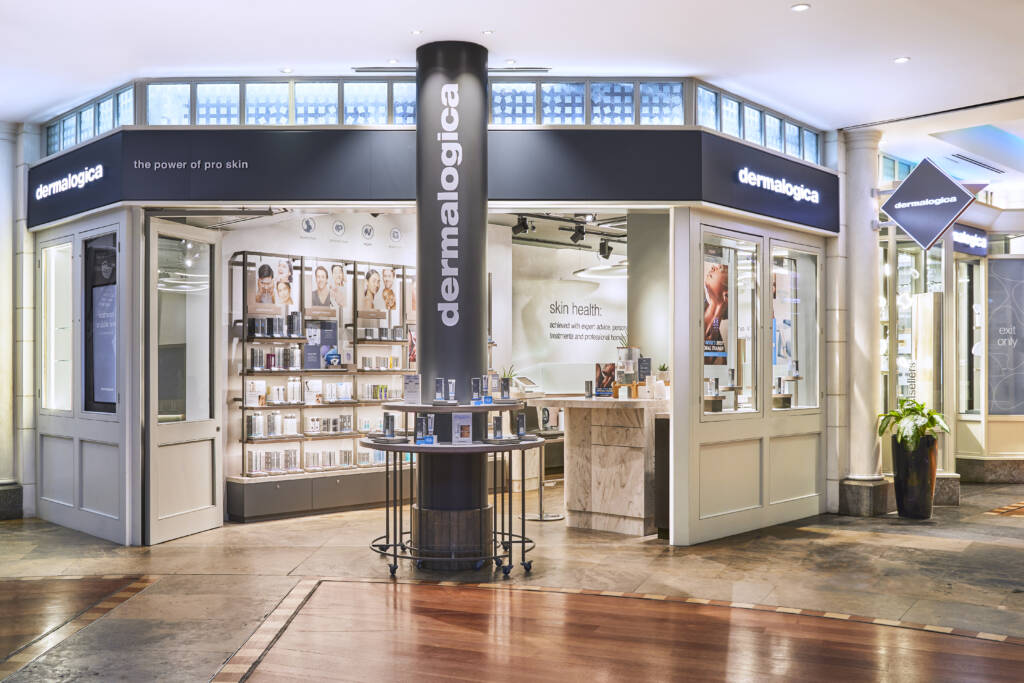
3. Low Footfall-to-Conversion: Your Window Display Works Harder Than Your Interior
Many retailers invest considerable effort into attracting customers through their window displays, only to lose momentum once shoppers enter the store.
If footfall remains healthy but conversion rates are falling, the issue may be your environment, not your products. A disconnected interior with a confusing hierarchy can create friction, making products more difficult to find and discouraging customers.
A successful retail store aligns visual merchandising, brand storytelling, and customer flow throughout the entire journey, making the transition between external attraction and internal engagement feel seamless. Every fixture, display, and focal point must create a coherent story, support purchasing decisions, and reinforce brand identity.
This is where a thoughtful retail store refurbishment can have a substantial impact. Rather than simply updating finishes, a comprehensive refurbishment aligns every touchpoint with your brand’s identity and commercial objectives, using visual merchandising, spatial planning, and material selection to create a coherent story throughout the customer journey.
The result is a store that not only attracts visitors but successfully converts them into customers.
4. Operational Friction: Your Store No Longer Supports Modern Shopping Habits
Retail behaviour has changed significantly over the last decade.
Customers increasingly expect flexibility between physical and digital shopping experiences, with click-and-collect, online returns, mobile purchasing, and flexible browsing patterns becoming standard expectations. Unfortunately, many older stores were never designed to support these operational requirements.
Queues form in the wrong locations; collection points interrupt customer flow; staff spend excessive time navigating inefficient stock storage arrangements; operational friction impacts both customer experience and profitability.
A modern retail store refurbishment addresses these challenges by integrating operational requirements directly into the design process. Collection points can be strategically positioned to encourage additional browsing, staff workflows can be streamlined, and storage solutions can become more efficient without compromising aesthetics.
At Limeblue, we believe successful retail interiors should support both commercial performance and day-to-day operations. A beautiful store is only effective if it works practically for the people using it every day.
5. Competitor Envy: Other Stores Make Yours Feel Like Yesterday’s News
One of the strongest indicators that change is needed is when competitors begin to make your store feel outdated.
Across the country, retailers are investing in high street brand refresh projects to modernise their environments and strengthen customer engagement. When neighbouring stores look contemporary, vibrant, and customer-focused, older retail environments can quickly appear disconnected from current expectations.
A carefully planned retail store refurbishment helps brands maintain relevance, improve perception, and compete more effectively in an increasingly experience-driven marketplace.

The Science Behind a Profitable Retail Store Refurbishment
The most successful retail refurbishment projects are grounded in retail science rather than aesthetics alone.
Strategic floor plans help eliminate dead zones while encouraging customers to move through the entire space. Decompression zones provide a comfortable introduction to the store, while power walls showcase key products and promotions.
Professional retail interior specialists also understand the importance of lighting. Carefully managed lux levels, contrast, and colour temperature influence customer behaviour and support emotional purchasing decisions.
Together, these principles help increase dwell time, improve conversion rates, and raise average transaction value.
Turning Design Concepts into Commercial Reality
Even the strongest design concept requires expert implementation.
Professional shop fitting services bridge the gap between creative vision and commercial performance. Successful projects require careful coordination of design, compliance, manufacturing, and installation to ensure the finished environment performs as intended.
At Limeblue, our integrated approach combines design expertise with practical delivery. Our shop fitting services ensure every element of a refurbishment supports customer engagement, operational efficiency, and long-term return on investment.
From boutique retail destinations to national brands undertaking a high street brand refresh, we help transform ideas into commercially successful environments.
Why Retail Refurbishment Delivers Long-Term Value
A successful retail store refurbishment should never be viewed as a maintenance expense.
When delivered by experienced retail interior specialists, refurbishment projects can strengthen brand perception, improve operational performance, and increase average transaction value. They create environments that encourage customers to stay longer, interact with more products, and spend with greater confidence.
For retailers looking to remain competitive, a high street brand refresh is often one of the highest-yield investments available.
Ready to Speak to Limeblue’s Retail Interior Specialists?
If your store is showing signs of brand fatigue, declining dwell time or falling conversion rates, now is the ideal time to assess whether a retail store refurbishment could unlock new growth.
At Limeblue, our team of retail interior specialists creates commercially focused environments that combine creativity, customer insight, and practical delivery. Through our comprehensive shop fitting services, we help retailers transform physical spaces into stronger commercial assets.
Request a site audit or simply get in touch today and discover how a strategic high street brand refresh can help your store attract more customers, increase engagement, and generate stronger returns.
Refurbishing Retail Store FAQs
When should a retail store consider a refurbishment?
Most industry experts recommend a visual refresh every three to five years and a more substantial refurbishment every seven to ten years. Regular updates help maintain brand relevance, improve customer perception, and ensure the environment continues to support changing shopping habits.
How does a new floor plan increase sales?
Strategic layouts eliminate dead zones and guide customers through carefully planned journeys. By increasing exposure to products, improving navigation, and encouraging longer browsing times, retailers can increase both conversion rates and average transaction value.
What is the role of lighting in retail interior design?
Lighting influences mood, attention, and product perception. Specialist lighting schemes can highlight key merchandise, create a more premium atmosphere and encourage customers to spend more time exploring the store.
How long does a typical retail brand refresh take?
Smaller refresh projects may take only a few weeks, while larger refurbishments vary depending on floor area, complexity, and operational requirements. Limeblue specialises in phased fit-outs that minimise disruption and reduce store downtime wherever possible.
Why use a specialist UK shop fitter?
Professional shop fitting services in the UK provide expertise in building regulations, health and safety requirements, customer behaviour, and commercial retail strategy. Specialist teams focus on maximising return on investment through intelligent design and effective project delivery rather than simply updating finishes.