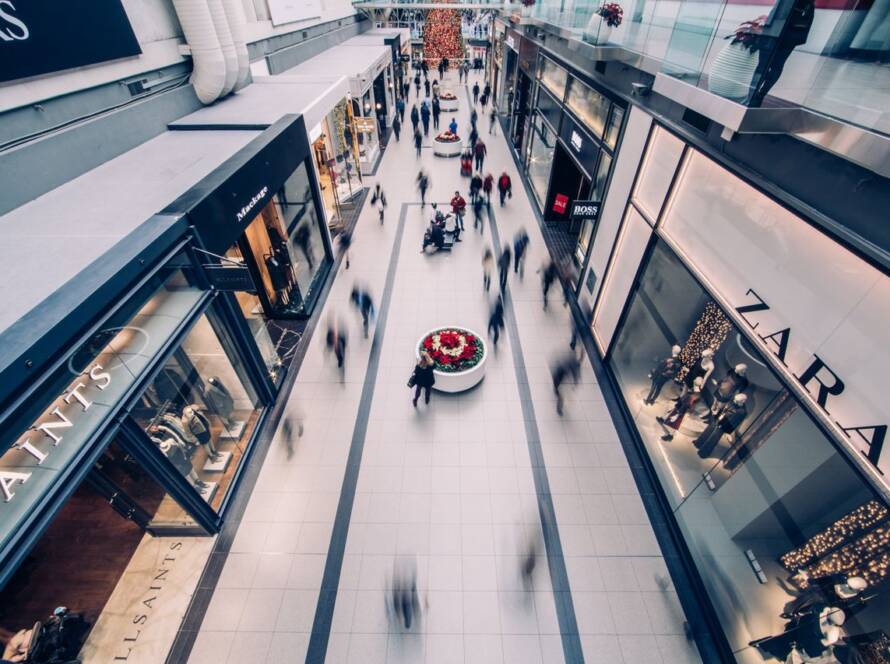
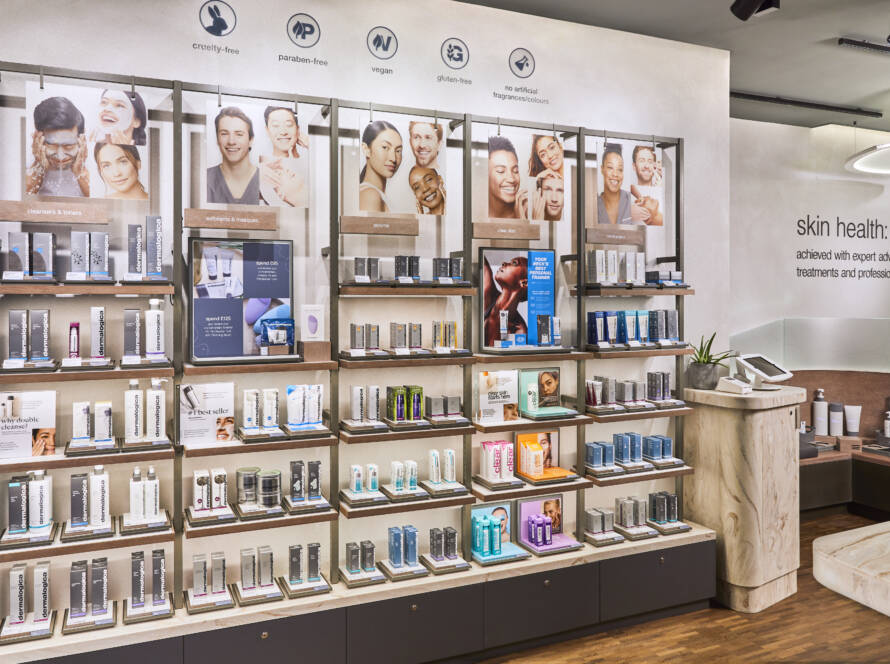
In 2026, a store without a shareable moment is increasingly invisible. As consumers move seamlessly between social media, ecommerce, and physical retail, brands can no longer rely on products alone to attract attention.
Today’s most successful retailers are investing in immersive retail experiences that encourage customers to engage, explore, and share their visit online. The rise of social media friendly store interiors has transformed the role of the physical store from a point of sale into a powerful marketing channel.
At Limeblue, we believe exceptional experiential retail design should balance commercial performance, customer experience, and digital visibility, creating immersive spaces that work just as effectively on Instagram as they do on the shop floor.
From Transactional Retail to Immersive Experiences
The growth of social media has fundamentally changed the relationship between consumers and physical environments.
For decades, physical retail was primarily about transactions. Customers entered a store, browsed products, made a purchase, and left. Today, that model is rapidly evolving. Modern consumers, particularly Millennials and Gen Z, expect far more from a bricks-and-mortar environment. They are looking for experiences, stories, and memorable interactions that extend beyond the purchase itself.
A beautifully designed retail space can generate hundreds or even thousands of pieces of user-generated content, extending a brand’s reach far beyond the people who physically walk through the door. This is why immersive retail has become such a significant force within the industry.
Retailers are investing in sensory experiences, striking visual installations, interactive displays, and carefully curated customer journeys that encourage visitors to spend more time in-store and engage more deeply with the brand.
When customers are inspired to photograph, film, and share their visit, the store becomes part of the brand’s wider marketing ecosystem. For retailers, this presents a significant opportunity. Every customer with a smartphone can become a brand ambassador.
The Organic ROI of Social Media Friendly Store Interiors
Marketing budgets continue to face pressure across every sector. As digital advertising costs rise, many retailers are looking for ways to generate visibility organically. This is where social media friendly store interiors deliver measurable value.
When customers share photographs, videos, and reviews of your experiential retail store, they create authentic user-generated content, often referred to as UGC. Unlike traditional advertising, this content is perceived as genuine because it comes directly from real customers rather than the brand itself.
According to Bazaarvoice research, 65% of consumers consider customer photos and videos important in their purchasing decisions, while over half say social media influences what they buy. Research has also shown that 79% of consumers are influenced by user-generated content when making purchasing decisions, while two-thirds of shoppers prefer authentic customer-generated imagery over professionally produced brand content.
The implications for physical retail are substantial.
A thoughtfully designed feature wall, immersive product display, or striking architectural installation can become a focal point for social sharing. Every image posted online introduces the brand to new audiences, creates social proof, and generates awareness without additional advertising spend. That’s why retail environments are increasingly being designed with physical and digital viewers in mind.

Designing for the Camera Without Compromising the Customer Journey
Creating an Instagrammable retail environment requires far more than installing a neon sign or adding a colourful backdrop. The most effective experiential retail design integrates shareability into the overall customer journey rather than treating it as a standalone feature.
At Limeblue, we approach this challenge through a combination of strategic planning, spatial design, and behavioural insight. Every touchpoint should support both customer experience and commercial objectives.
The result is a space that feels authentic, functional, and visually compelling rather than forced or gimmicky.
Lighting: The Foundation of Shareable Design
Lighting remains one of the most powerful tools available to retail designers. It influences mood, product perception, navigation, and customer comfort. Increasingly, it also determines how well a space performs on social media.
Poor lighting creates harsh shadows, colour distortion, and unflattering photographs. Customers may enjoy the experience but feel less inclined to document it. By contrast, carefully calibrated lighting creates what many designers refer to as “selfie-ready” conditions. Customers naturally look and feel better in photographs, making them more likely to share images online.
For retail brands, this means considering factors such as colour temperature, light uniformity, feature illumination, and reflective surfaces from the earliest design stages. Lighting should support product visibility while also enhancing the visual appeal of the overall environment.
As experiential retail design continues to evolve, selfie-ready lighting is becoming less of an optional extra and more of a baseline requirement.
Curated Friction and the Art of Slowing Customers Down
One of the most interesting developments within immersive retail is the concept of curated friction.
Traditional retail designs often prioritise efficiency, moving customers quickly through a store towards purchase points. While convenience remains important, modern retail environments increasingly benefit from encouraging exploration and discovery.
Strategically placed visual anchors can naturally slow customer movement, increase engagement, and extend dwell time. These anchors might include statement installations, interactive displays, architectural focal points, seasonal brand activations, or experiential product zones. The goal is not to create obstacles. It is to create moments worth pausing for.
Research into retail behaviour continues to show strong links between dwell time and customer engagement. The longer visitors remain engaged within a space, the greater the opportunity for product discovery, brand interaction, and conversion.
When executed effectively, these moments also become prime opportunities for photography and social sharing. This dual benefit is precisely why visual merchandising trends increasingly prioritise experience alongside product presentation.

The Rise of Experience-Led Visual Merchandising
The role of visual merchandising has expanded significantly.
Historically, visual merchandising focused primarily on showcasing products in the most appealing and commercially effective way. While that remains important, today’s retailers must also consider how displays perform within digital culture.
Many of the most influential visual merchandising trends now prioritise storytelling, interaction, and emotional engagement. Customers want environments that feel unique. They want spaces that communicate brand values and experiences worth sharing.
This has led to growing demand for:
- Interactive display zones
- Flexible experiential installations
- Dynamic lighting systems
- Multi-sensory environments
- Digital integration
- Social content opportunities
The most successful retail spaces balance all these elements without overwhelming the customer.
At Limeblue, we believe the strongest environments feel effortless. Every feature should support the broader brand narrative while maintaining a seamless customer experience. When form and function work together, the results are far more powerful than aesthetics alone.
Why Specialist Design Expertise Matters
Many retailers recognise the importance of social media friendly store interiors, but achieving meaningful results requires more than following trends.
A visually striking installation that disrupts circulation can frustrate customers. A feature designed solely for photography may fail to support sales objectives. Equally, a highly functional retail environment without emotional appeal may struggle to generate engagement.
This balance is where specialist expertise becomes invaluable. Successful experiential retail design requires an understanding of customer psychology, spatial planning, brand storytelling, lighting design, materials, visual merchandising and operational requirements.
At Limeblue, we bring more than three decades of experience to every project. Our team creates environments that not only look exceptional but also perform commercially. As a B Corp-certified business, we are equally committed to responsible design practices, helping clients create spaces that are sustainable, future-focused, and aligned with modern consumer expectations.
Whether developing a flagship retail destination, exhibition experience, or branded environment, our approach combines creativity with practical expertise. The result is a space that works as hard as it looks.
The Future of Retail Is Both Physical and Digital
The distinction between online and offline retail is becoming increasingly blurred.
Customers move seamlessly between social media platforms, ecommerce channels, and physical stores. Every interaction contributes to their perception of a brand.
In this environment, physical spaces must do more than house products; they must create experiences, generate emotion, encourage participation, and (most importantly) provide moments that customers want to share.
The brands that embrace immersive retail today are positioning themselves for long-term relevance in an increasingly competitive landscape. Those that do not risk becoming invisible.
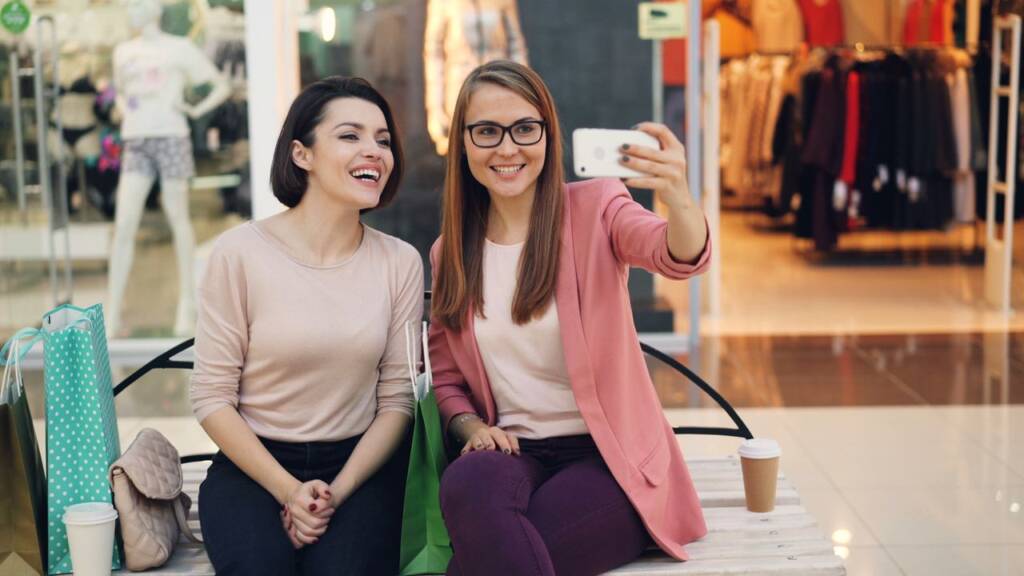
Audit Your Space for Shareability
If your retail environment was designed before the rise of social-first consumer behaviour, it may be time to reassess its performance.
Ask yourself:
- Does your space encourage customers to stop, engage and share?
- Does your lighting support both product presentation and photography?
- Are there memorable focal points that reinforce your brand story?
- Does your customer journey create moments worth talking about?
At Limeblue, we help brands bridge the gap between physical retail functionality and digital visibility. Through strategic experiential retail design, innovative visual merchandising, and expertly crafted immersive retail environments, we create spaces that inspire customers and deliver measurable commercial impact.
If you are ready to unlock the full potential of your retail environment, contact us to schedule a shareability audit and discover how your space could become your most powerful marketing asset.
Social Media Friendly Retail Stores FAQs
Q: What is experiential retail design?
A: Experiential retail design focuses on creating memorable customer experiences rather than simply facilitating transactions. It combines branding, storytelling, sensory engagement, and spatial design to encourage deeper customer interaction and stronger emotional connections with a brand.
Q: How do shareable interiors drive footfall?
A: Social media friendly store interiors encourage customers to post photographs and videos online. This user-generated content exposes the brand to wider audiences, increases awareness, and can motivate new visitors to experience the space for themselves.
Q: What makes a store social media friendly?
A: A social media friendly store typically includes strong visual focal points, high-quality lighting, distinctive design features, engaging displays, and immersive experiences that customers feel compelled to photograph and share.
Q: Does immersive retail help sales?
A: Yes. Immersive retail can increase dwell time, strengthen brand engagement, improve customer recall, and create more opportunities for product discovery. These factors can contribute positively to conversion rates and overall sales performance.
Q: Why hire a specialist for retail interiors?
A: Specialist retail designers understand how to balance aesthetics, customer behaviour, operational requirements, and commercial objectives. They can create spaces that are visually impactful while still supporting customer flow, product visibility, and long-term business goals.